
- Baltimore Acupuncture LLC1501 Sulgrave Avenue, Suite 310
Baltimore, MD 21209(443) 254-6841 

Latest Articles:
- • Outdoor Activities Best Enjoyed During Spring •
- • The Health Benefits of Spring Cleaning •
- • Delicious Recipes Using Spring Fruits and Vegetables •
Acupuncture
Cupping + Acupuncture: More Than the Sum of its Parts
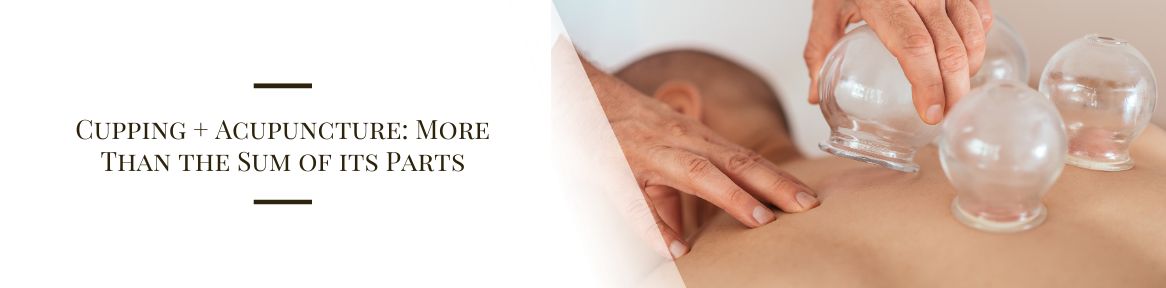 Do any of these scenarios sound like your life: a stubborn knot between the shoulder blades, a low-back flare that keeps returning, or a neck that feels “stuck” after long hours at a desk? Acupuncture needles can calm the nervous system and change pain signaling and cupping can mechanically decompress tight tissue and improve local circulation. Used together thoughtfully and safely they’re often paired to help pain move from “sharp and guarded” to “dull and workable,” and then to “resolved or manageable.” continue reading
Electroacupuncture: Ancient Wisdom, Modern Current
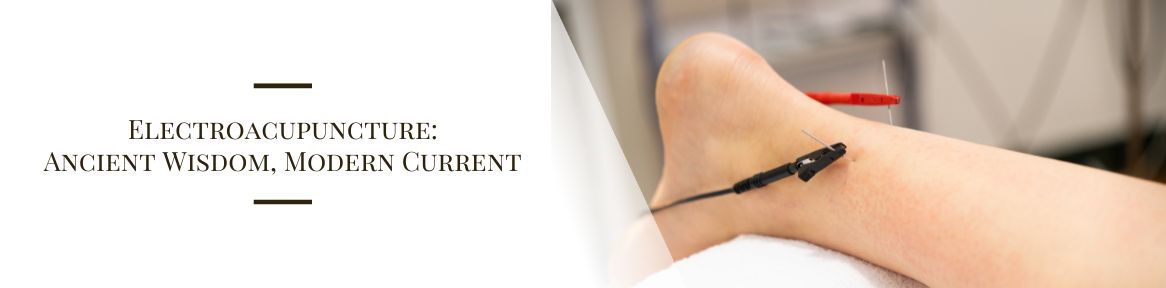
The clinic was quiet except for the soft hum of a small device on the treatment table. A runner lay comfortably, acupuncture needles placed along her calf and lower back to address chronic pain that kept her from her regular running routine.
Because of the chronic and nagging injury, she turned to acupuncture to find healing. But it wasn’t quite what she expected. Rather than simply resting with the needles inserted, the practitioner gently attached thin leads to several of the needles and turned on a device that sent a gentle electrical current through them. A subtle pulsing sensation began, almost like tiny waves moving through her muscles. Within minutes, she felt her body responding, warming, releasing.
This therapy was electroacupuncture, a technique blending the longstanding principles of traditional acupuncture with modern electrical stimulation. continue reading
The Healing Landscape of Scalp Acupuncture
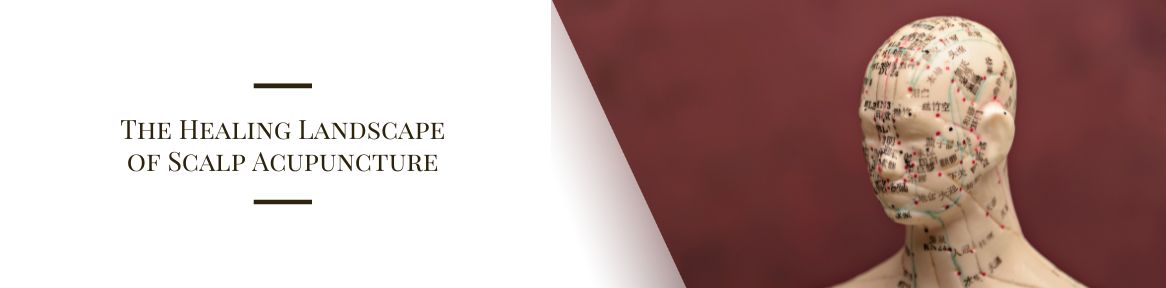
Many healing journeys begin in unexpected places. For some, recovery starts not in the muscles of the back or the ligaments of a knee, but in the quiet landscape of the scalp, an area often overlooked except for styling, washing, and the occasional headache. Yet, for many people seeking relief from neurological, physical, and emotional challenges, scalp acupuncture is becoming a compelling bridge to healing. continue reading
Chinese & Japanese Acupuncture: Two Traditions, One Lineage
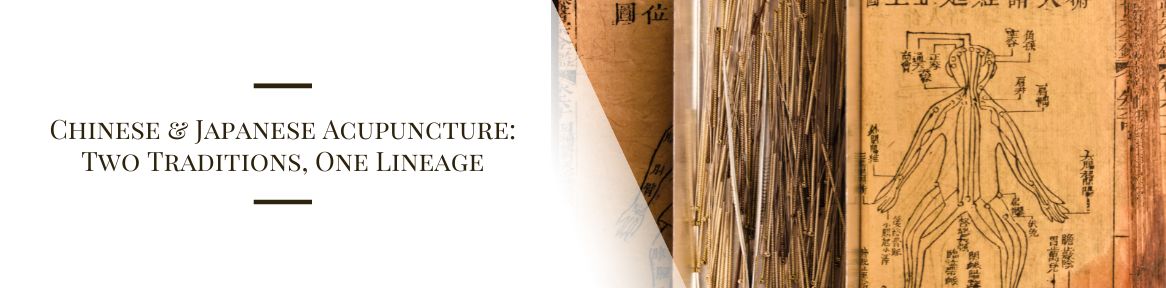
Both Japanese and Chinese acupuncture spring from the same classical East Asian medical roots, yet they diverged over centuries into distinct clinical styles. In Japan, techniques evolved toward gentler, highly tactile methods. And in China, the practice of acupuncture tended to emphasize stronger needle sensation and standardized point prescriptions within Traditional Chinese Medicine, also known as TCM. While some have their preferences, neither is “better” than the other. The right choice often depends on the patient’s condition, sensitivity, and their goals. continue reading
What is Five Element Acupuncture?
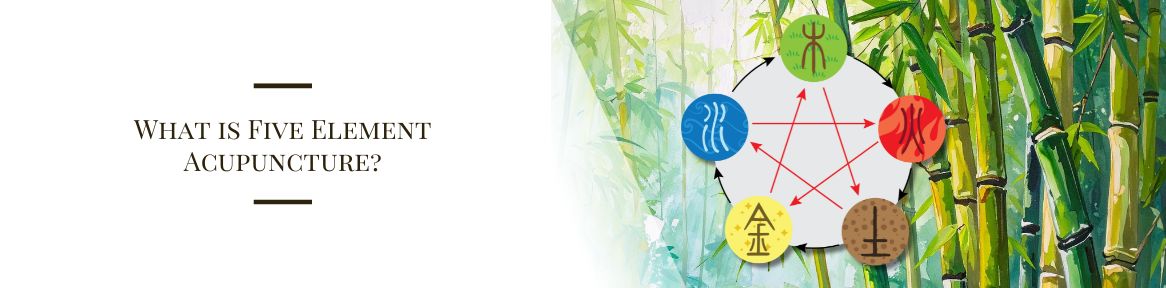
Five Element Acupuncture is a classical style of East Asian medicine that organizes diagnosis and treatment around the dynamic interplay of five phases/elements: Wood, Fire, Earth, Metal, and Water. Each element is associated (in this framework) with organ networks, emotions, sensory patterns, and seasonal cycles. Treatment aims to restore harmony among these elements when one becomes predominant or deficient. continue reading